WordPress, Shopify or a custom site: how to choose
There is no best platform, only the best fit for what your website needs to do. A practical comparison of the three options we are asked about most.
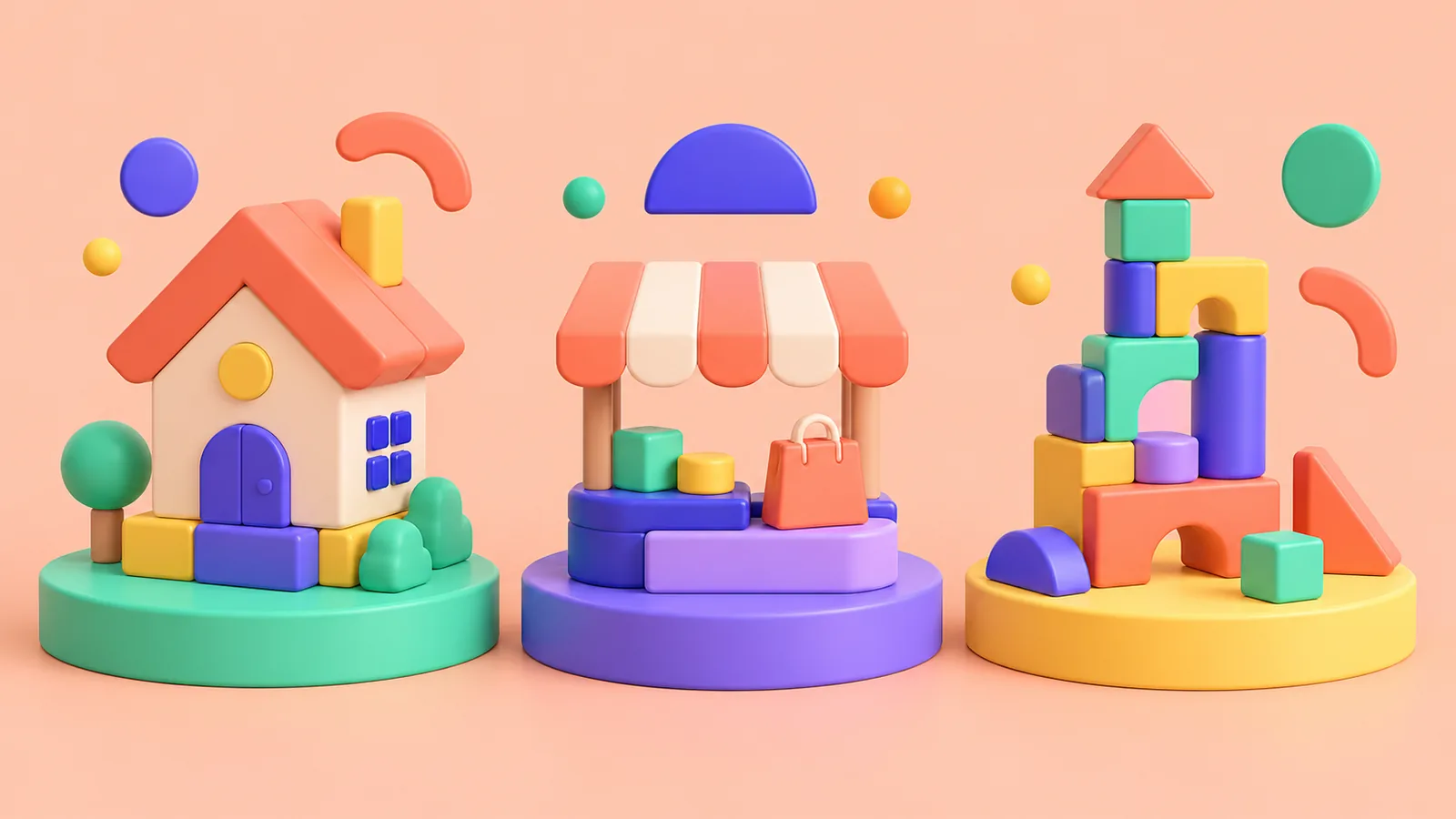
"Which platform should we use?" is usually one of the first questions in a website project. The honest answer depends less on the technology and more on what the site needs to do, who will update it and how much it is expected to grow.
WordPress: flexible content sites
WordPress powers a huge part of the web for good reason. It is a strong choice for corporate sites, blogs and content-heavy projects where your team wants to publish pages and articles without a developer.
- Good for: marketing sites, news and blogs, multilingual corporate sites.
- Watch out for: too many plugins. Each one adds weight, updates and potential security issues. A lean setup with a well-built theme ages much better.
Shopify: selling online without running servers
Shopify handles hosting, security, payments and checkout for you. For most product-based shops, that removes a large amount of technical work and risk.
- Good for: stores with a standard catalogue, cart and checkout, and teams who want to focus on products and marketing.
- Watch out for: monthly fees and app subscriptions, and less freedom if your checkout or pricing logic is unusual.
Custom development: when the site is the product
A custom-built site or web application makes sense when your requirements do not fit a template: complex booking rules, customer portals, integrations with internal systems or a very specific user experience.
- Good for: web applications, platforms with user accounts, unique workflows, high-performance needs.
- Watch out for: a larger initial budget and the need for ongoing maintenance by a team that knows the code.
Questions that usually decide it
- Is the main job to inform, to sell products or to let users do something?
- Who will update the content, and how often?
- Which systems must the site connect to — accounting, stock, CRM?
- What will the site need to do in two years, not just at launch?
A good platform choice is the one you will not have to fight in a year. Plan for how the site will be used, not only how it will look on launch day.
Whichever route you take, the fundamentals stay the same: fast pages, clear structure, good content and a site that is easy for your team to keep up to date.